
Suriname Trademark Law Reform: Service Mark Protection Introduced and Existing Trademark Owners Have Until July 9, 2027 to Potentially Add Service Classes
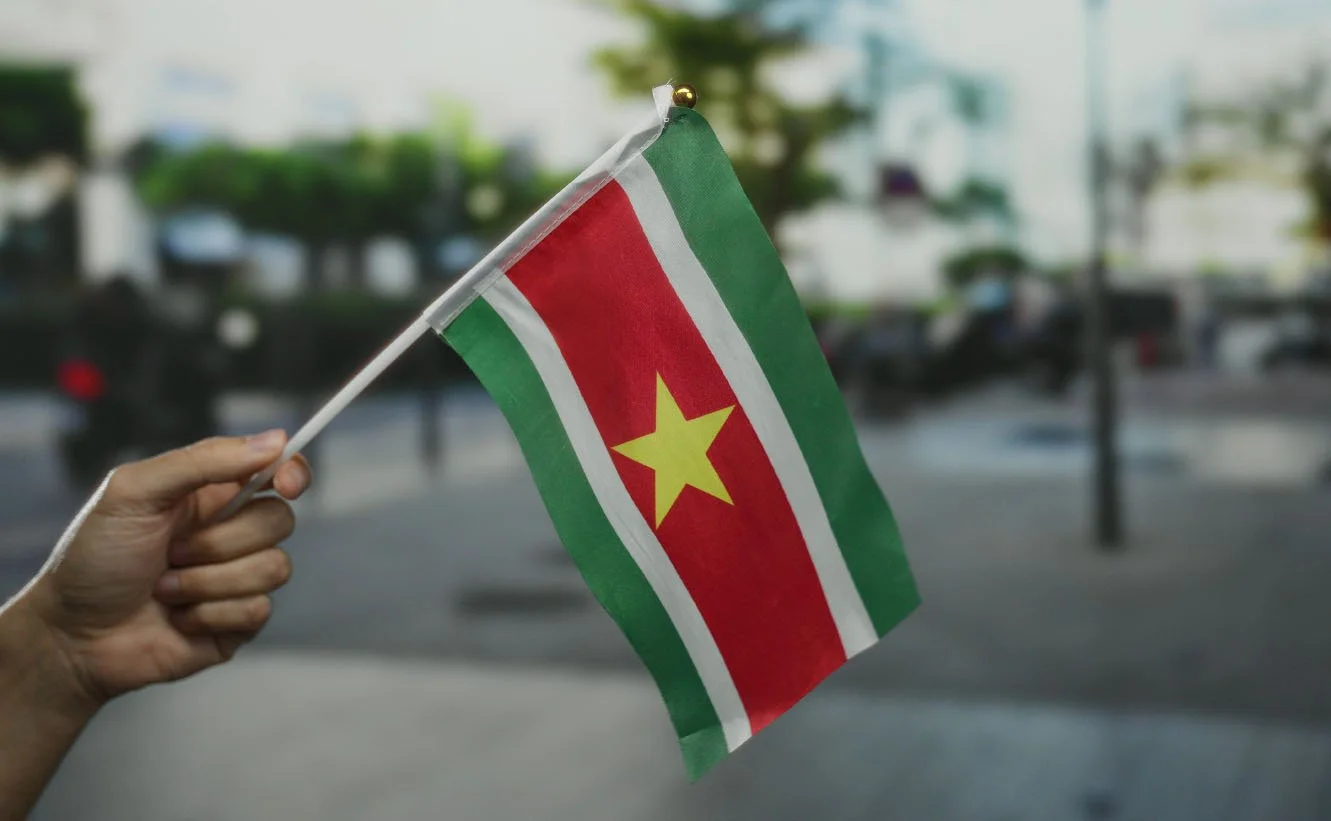
As part of the ongoing modernization of Suriname’s intellectual property system, updating a trademark framework that dates back more than a century, Suriname has formally introduced protection for service marks.
In July, the National Assembly approved amendments to the country’s existing trademark legislation including provision for service marks, and this has now entered into force as of October 9, 2026. Trademark owners and applicants can now extend the protection of eligible existing marks to services through a nine-month transitional arrangement. Requests must therefore be submitted by July 9, 2027.
What Does This Mean for Trademark Owners?
Owners of registrations AND applications existing as of October 9, 2026 can request the addition of relevant service classes under the Nice Classification. The original filing or registration priority date will be preserved when service classes are added under the transitional arrangement.
What is Required?
Requests to add service classes to existing registrations or applications must include:
identification of the relevant service classes (according to the Nice Classification);
evidence of actual use of the mark in Suriname in connection with the services concerned; and
payment of the applicable fees.
Take Action to Strengthen Your Trademark Protection
The introduction of service mark protection represents a significant development and opportunity for businesses operating in Suriname’s services sector, and trademark owners with business activities involving services in the country should therefore review their existing portfolios now to determine whether additional service classes should be added, as early action will allow time to identify the appropriate classes, assess and gather evidence of use, and prepare the necessary documentation before the deadline.
With significant experience advising on trademark protection across the Caribbean, we can also assist businesses in assessing how these developments may affect their regional trademark strategies, particularly given the introduction of service marks in The Bahamas last year.