
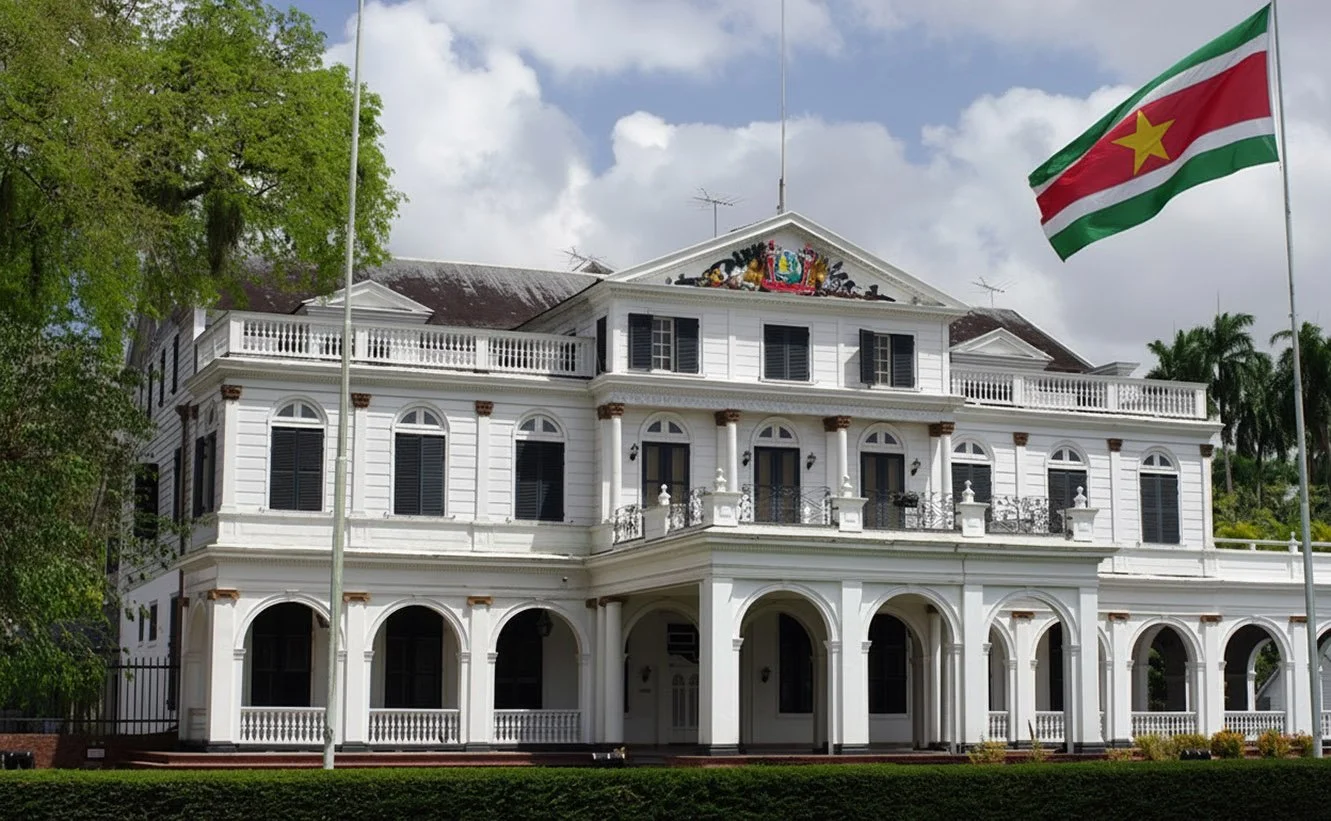
Suriname is set to introduce protection for service marks following the National Assembly’s approval in July of amendments to the country’s existing trademark legislation. The amendments represent an important step in the modernization of Suriname’s intellectual property framework, which is based on legislation dating back to 1912.
Amendments to Suriname’s Trademark Law
The National Assembly approved amendments to Suriname’s existing trademark legislation in July 2026, paving the way for the introduction of service mark protection.
The country will not completely replace the current trademark laws, but rather the amendments will introduce updates to the existing legislation, bringing the framework into line with aspects of modern commercial practice that were not addressed when the legislation was originally enacted more than a century ago.
The amendments will take effect once they have been signed into law by the President of Suriname. Until then, the proposed changes should be regarded as pending.
What Does Service Mark Protection Mean for Businesses in Suriname?
The introduction of service mark protection is particularly relevant to businesses whose commercial identity is built around services rather than goods.
Without specific protection for service marks, businesses whose brands are associated primarily with services face practical limitations when seeking to protect and enforce those brands under a trademark framework traditionally focused on goods. This becomes increasingly relevant as services form an important part of commercial activity in Suriname, including businesses supporting the country’s mining and agricultural industries and its ecotourism sector.
This development in Suriname follows closely on the heels of service marks being introduced in The Bahamas last year.
Online Trademark Filing and Local Representation
Once the amendments take effect, trademark applications will be submitted through Suriname’s online filing system.
Applications will nevertheless still need to be filed through a local agent. Businesses considering trademark protection in Suriname should therefore take the local representation requirement into account when assessing their filing strategy.
What Happens Next?
The immediate next step is the signing of the amendments into law by the President of Suriname. Further details concerning implementation and the practical operation of the new service mark provisions will become clearer once the amendments take effect.
We will continue to monitor developments and provide further updates once the amendments have been signed into law. In the meantime, we recommend that businesses with existing or planned operations in Suriname review their trade mark portfolios and identify brands used in connection with services, particularly in light of the forthcoming changes.
With experience advising on trademark protection across the Caribbean, we can assist businesses in assessing how these developments may affect their regional trademark strategies, particularly given the introduction of service marks in The Bahamas last year.
If you would like to discuss how all the developments may affect your trademark portfolios, please contact office@caribbean-ip.com.