
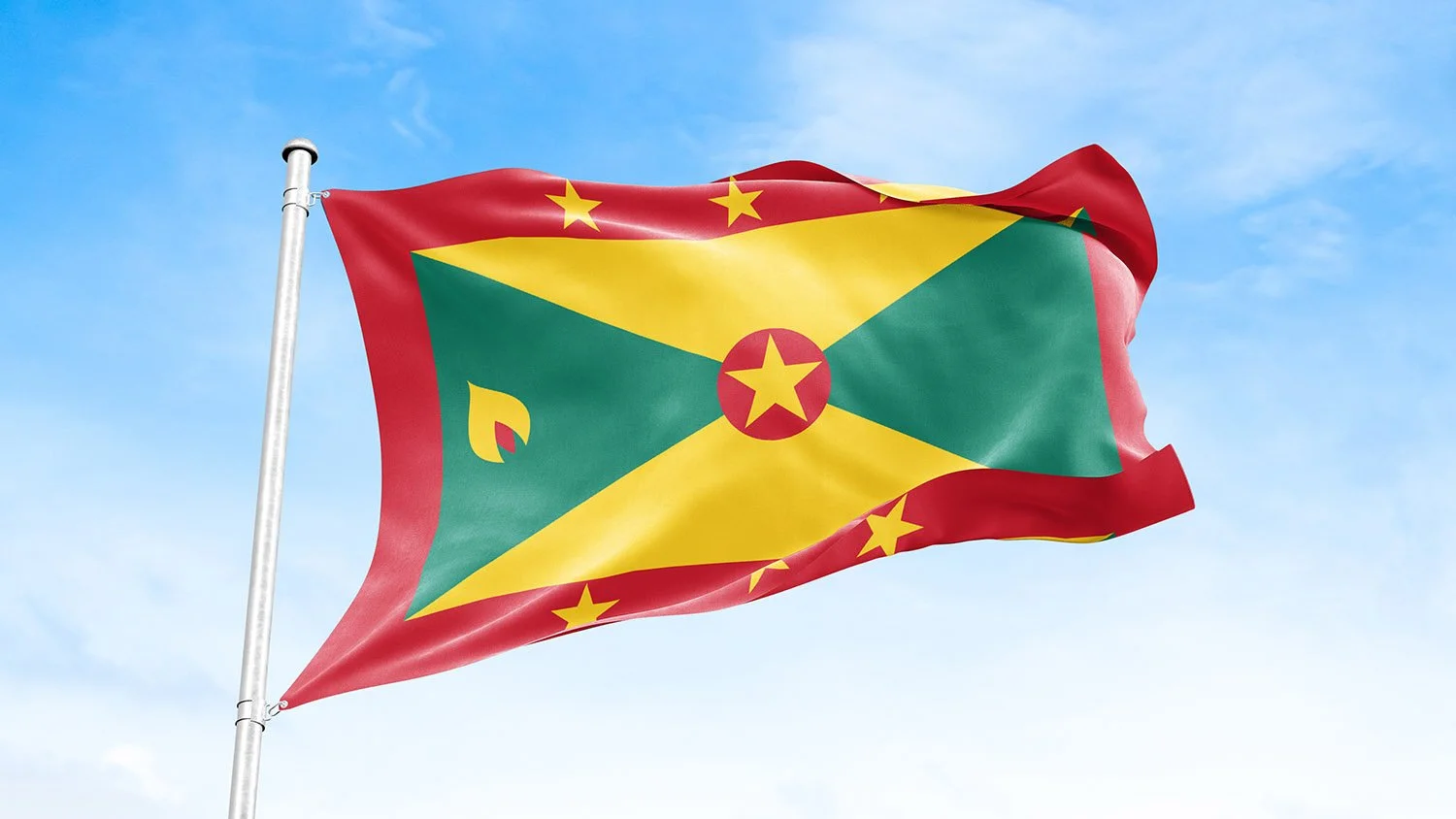
Grenada deposited its instrument of accession to the Madrid Protocol on December 15, 2025, with the Protocol scheduled to enter into force on March 15, 2026. Upon entry into force, Grenada will become the 116th member of the Madrid System.
For brand holders and trademark practitioners, Grenada’s accession introduces new opportunities as well as procedural nuances that merit close attention:
Declarations and Procedural Framework
Grenada’s accession is accompanied by several standard but important declarations under the Protocol:
18-month refusal period: Grenada has opted for the extended refusal deadline under Article 5(2)(b), including refusals resulting from opposition proceedings. Practitioners should therefore expect examination and opposition outcomes to potentially issue late in the refusal window, requiring ongoing monitoring of WIPO notifications.
Individual fees: Grenada elected to receive individual fees rather than sharing in supplementary and complementary fees. Higher fee levels will therefore need to be factored into cost projections for Caribbean-focused filing strategies.
Language and filing channel: International applications based on Grenadian marks will be filed through the Corporate Affairs and Intellectual Property Office (CAIPO) in English, consistent with existing local practice.
As with other new Madrid members, practitioners should expect CAIPO to issue implementing regulations or practice notes addressing internal processing timelines and any local formalities affecting basic applications or registrations.
Implications for Incoming Designations
Grenada’s economy is driven by tourism, hospitality, consumer goods and services, and brand owners with active or anticipated commercial activity in Grenada should be aware that from March 15, 2026, International Registrations (IRs) may designate Grenada either at filing or by way of subsequent designation.
As with any jurisdiction party to the Madrid Protocol, the choice between filing nationally and using the Madrid System should be considered carefully. This is particularly so in Grenada, as we await a clearer picture of how the system will operate in practice.
At Caribbean IP, we have experience advising on previous Madrid Protocol accessions across the region and so are well placed to advise on the advantages and disadvantages of each route in Grenada, even at this early stage. We welcome enquiries and are happy to provide an initial assessment on a no-obligation basis.
As the Madrid System begins to take effect in Grenada, we will also work with brand owners and their advisers to navigate some of the practical considerations, including:
Collision risk analysis, particularly given the likely increase in foreign filings following accession.
Opposition readiness, including monitoring for potentially conflicting applications and preparing for the increased activity that may result from Madrid filings.
Regional Context
Grenada becomes the 6th country from the Caribbean to join the Protocol further expanding Madrid coverage in the region. To put that into context, the Caribbean region as a whole consists of 28 jurisdictions with independent trademark systems and offices. Nevertheless, recent trademark law overhauls in both The Bahamas and Bermuda, and further proposed reforms in the Cayman Islands demonstrate a continuing trend of modernization in the region, reinforcing its gradual alignment with international trademark law norms. It should be noted that legislative updates in The Bahamas and Bermuda also anticipate future accession to the Madrid Protocol, although this is not the case for the Cayman Islands.